Over the last decade, fitness and sport have undergone a profound technological transformation. Training is no longer based solely on subjective feelings, visual assessment, or experience-driven intuition. Instead, athletes, coaches, and even recreational users increasingly rely on health monitoring technologies that provide objective, continuous, and data-driven insights into the human body. These technologies allow users to understand how their bodies respond to physical load, recovery, stress, and lifestyle factors, turning fitness into a measurable and manageable process.
Health monitoring tools now play a central role not only in elite sport but also in everyday fitness. From wearable sensors and smartwatches to advanced biometric platforms and AI-powered analytics, modern systems help optimize performance, prevent injuries, and support long-term well-being. This article explores how health monitoring technologies are reshaping fitness and sport, focusing on their applications, benefits, limitations, and future potential.
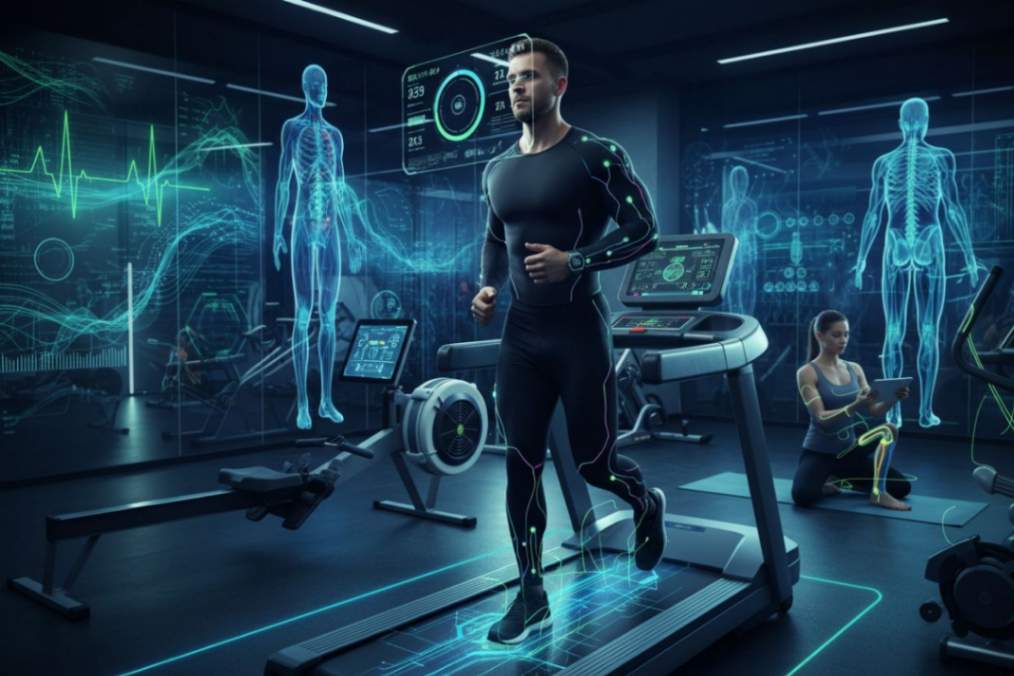
Wearable Health Monitoring Devices in Modern Fitness
Wearable technology has become the foundation of health monitoring in fitness and sport. Devices such as smartwatches, fitness trackers, heart rate monitors, and smart clothing collect physiological data in real time and transform it into actionable insights. These tools track metrics like heart rate, heart rate variability, step count, sleep quality, calorie expenditure, and oxygen saturation, offering a comprehensive view of physical condition.
In fitness environments, wearables help users regulate training intensity and maintain consistency. By monitoring heart rate zones, individuals can adjust workouts to match their goals, whether that is fat loss, endurance improvement, or strength development. For athletes, wearables provide detailed feedback on training load, helping to balance effort and recovery across training cycles.
The widespread adoption of wearables is driven by their accessibility and ease of use. Unlike laboratory-based testing, wearable devices operate continuously in real-life conditions. This allows for long-term trend analysis rather than isolated measurements. Over time, patterns emerge that reveal how sleep, nutrition, stress, and training interact, making wearables a powerful tool for holistic health management in sport and fitness.
Biometric Data and Performance Optimization
Biometric data lies at the core of modern performance optimization. Metrics such as heart rate variability, resting heart rate, blood oxygen levels, and movement efficiency provide insights into the body’s readiness for physical stress. Unlike traditional performance indicators that focus solely on output, biometric data highlights internal responses to training.
Heart rate variability, for example, is widely used to assess recovery and nervous system balance. A higher variability often indicates readiness and resilience, while consistently low values may signal fatigue or overtraining. By integrating this data into training plans, coaches and athletes can reduce injury risk and improve long-term performance outcomes.
Motion tracking and biomechanical analysis also play a growing role in performance optimization. Sensors embedded in wearables or training equipment analyze movement patterns, joint angles, and force distribution. This data helps identify inefficiencies or imbalances that may limit performance or increase injury risk. In both fitness and professional sport, biometric feedback supports smarter training decisions by aligning physical output with physiological capacity.
Digital Health Platforms and Data Integration
As health monitoring technologies evolve, standalone devices are increasingly replaced by integrated digital platforms. These systems collect data from multiple sources, including wearables, mobile applications, gym equipment, and even medical records. By consolidating information into a single ecosystem, users gain a more accurate and contextual understanding of their health.
Digital health platforms enable longitudinal tracking, allowing athletes and fitness enthusiasts to monitor progress over weeks, months, or years. Trends such as gradual improvements in endurance, changes in recovery speed, or early signs of chronic fatigue become easier to identify. This long-term perspective is particularly valuable in preventing burnout and sustaining motivation.
In professional sport, data integration supports collaboration between coaches, sports scientists, physiotherapists, and medical staff. Shared dashboards and reports ensure that decisions are based on consistent information rather than isolated observations. In fitness settings, integrated platforms empower users to take ownership of their health by translating complex data into clear recommendations and goals.
Key Benefits of Health Monitoring Technologies
The rapid adoption of health monitoring technologies in fitness and sport is driven by their tangible benefits. These tools enhance safety, efficiency, and personalization across different levels of physical activity. Before exploring specific applications, it is important to understand why these technologies have become essential rather than optional.
Below is a concise overview of the most significant advantages provided by modern health monitoring systems, followed by a deeper explanation of how they impact fitness and sport practice.
- Improved training personalization based on real-time physiological feedback.
- Early detection of fatigue, overtraining, and potential injury risks.
- Enhanced recovery planning through sleep and stress analysis.
- Objective performance evaluation beyond subjective perception.
- Greater motivation and adherence through measurable progress.
These benefits directly influence how individuals train and recover. Personalized training reduces wasted effort and minimizes health risks, while early detection of problems allows for timely adjustments. Objective data also improves communication between athletes and coaches, replacing assumptions with evidence. In fitness contexts, clear metrics increase engagement by making progress visible and rewarding.
Health Monitoring Technologies in Injury Prevention and Recovery
Injury prevention is one of the most valuable applications of health monitoring technologies. Many sports injuries result from accumulated fatigue, poor recovery, or biomechanical imbalances rather than sudden trauma. Continuous monitoring helps identify warning signs before they develop into serious issues.
Load management systems track training volume, intensity, and frequency, providing insights into cumulative stress. When combined with recovery metrics such as sleep quality and heart rate variability, these systems help determine whether the body is adapting or breaking down. Coaches and athletes can then modify training loads to maintain a sustainable balance.
During recovery, health monitoring technologies support rehabilitation by tracking progress objectively. Wearable sensors measure range of motion, movement symmetry, and muscle activation, ensuring that recovery protocols are followed correctly. This data-driven approach reduces the risk of returning to activity too early and helps rebuild confidence after injury. In fitness environments, similar principles apply to users recovering from overuse injuries or returning after long breaks.
Comparison of Popular Health Monitoring Metrics
To better understand how different health indicators contribute to fitness and sport outcomes, it is useful to compare their functions and practical applications. The table below outlines key metrics commonly tracked by modern health monitoring technologies, along with their relevance and typical use cases.
Before reviewing the table, it is important to note that no single metric provides a complete picture. The real value lies in combining multiple indicators to form a balanced assessment of health and performance.
| Health Metric | Primary Purpose | Application in Fitness and Sport |
|---|---|---|
| Heart Rate | Measures cardiovascular response | Regulating training intensity and endurance |
| Heart Rate Variability | Assesses recovery and nervous system balance | Preventing overtraining and managing load |
| Sleep Quality | Evaluates recovery effectiveness | Optimizing rest and adaptation |
| Oxygen Saturation | Indicates respiratory efficiency | Monitoring endurance and altitude adaptation |
| Movement Data | Analyzes biomechanics and efficiency | Improving technique and reducing injury risk |
After reviewing these metrics, it becomes clear that health monitoring technologies operate as interconnected systems rather than isolated tools. When interpreted together, they provide actionable insights that improve both short-term performance and long-term health outcomes.
The Future of Health Monitoring in Fitness and Sport
The future of health monitoring technologies is closely tied to advances in artificial intelligence, machine learning, and sensor innovation. As devices become more accurate and less intrusive, monitoring will shift from reactive analysis to predictive health management. AI-driven systems are already capable of identifying patterns that humans may overlook, offering early warnings and personalized recommendations.
Emerging technologies such as non-invasive glucose monitoring, advanced hydration sensors, and emotion recognition are expanding the scope of health data. These developments will further blur the line between fitness technology and medical diagnostics, raising both opportunities and ethical considerations. Data privacy, accuracy, and responsible interpretation will remain critical challenges.
In both fitness and sport, the long-term impact of health monitoring technologies will depend on education and integration. Tools are only effective when users understand how to interpret and apply the data. As digital literacy improves, health monitoring will continue to empower individuals to train smarter, recover better, and maintain sustainable physical performance.
Conclusion
Health monitoring technologies have transformed fitness and sport by introducing objectivity, precision, and personalization into physical training. From wearable devices and biometric analysis to integrated digital platforms, these tools provide valuable insights that support performance optimization, injury prevention, and overall well-being. Their influence extends beyond elite sport, shaping how everyday fitness enthusiasts approach exercise and health management.
As technology continues to evolve, the focus will shift toward predictive and preventive health strategies. When used responsibly and thoughtfully, health monitoring systems have the potential to redefine fitness and sport as data-informed, sustainable, and deeply personalized practices that benefit both performance and long-term health.